
Sound Design Basics
Sound design is often the unsung hero of podcast production. While content and storytelling grab the spotlight, it’s the subtle, expertly crafted audio that can turn a good podcast into a truly memorable experience. Whether you’re a seasoned podcaster or just starting, understanding and applying sound design principles can elevate your content and deeply engage your audience. In this blog post, we’ll explore the basics of sound design, share some practical techniques, and offer tips on how you can use sound to enhance your podcast.
Understanding the Basics of Sound Design
Sound design involves more than just adding background music or sound effects. It’s about creating an auditory landscape that supports and enhances your narrative. Think of it as painting with sound—every element, from ambiance to dialogue, plays a role in shaping the listener’s experience.
Key Elements of Sound Design:
- Ambiance: This is the background sound that sets the mood and environment of your podcast. For example, the sound of rain, city traffic, or a bustling café can transport your listeners to a specific location.
- Sound Effects: These are sounds that highlight specific actions or events within your podcast. Whether it’s the creak of a door, footsteps, or the crash of waves, sound effects can add depth and realism to your storytelling.
- Music: Music can evoke emotions and enhance the pacing of your podcast. Whether used as an intro, background, or transition, music can help set the tone and maintain listener engagement.
- Dialogue: The clarity and quality of dialogue are crucial. Clean, well-mixed dialogue ensures that your message is delivered effectively without distractions.
Techniques for Enhancing Podcast Audio
Now that we’ve covered the basics, let’s dive into some practical techniques you can use to apply sound design to your podcast:
- Layering Sounds:
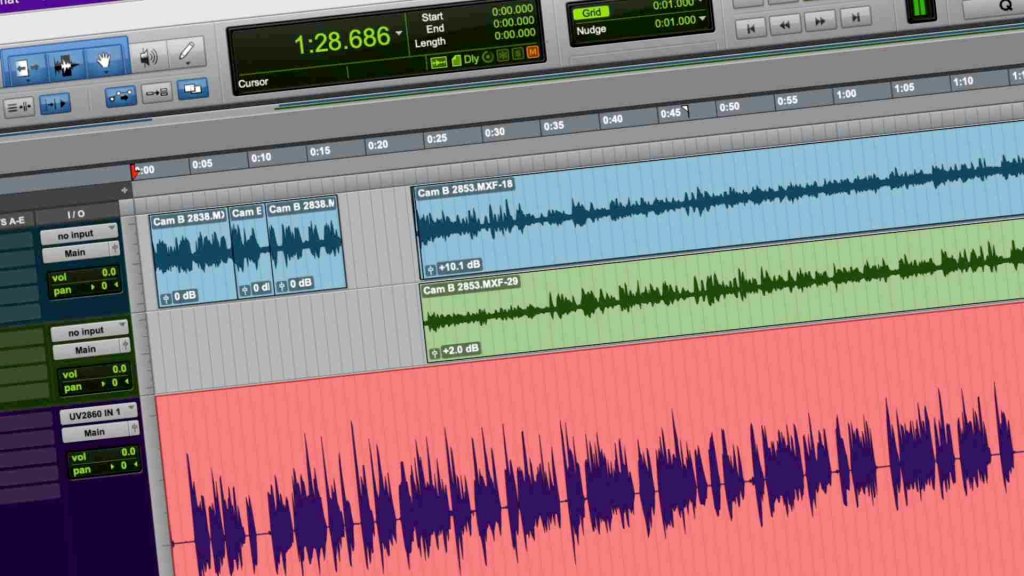
- Just like in film, layering multiple sounds c an create a more immersive experience. For example, layering ambient noise with subtle sound effects can make your listeners feel like they’re in the middle of the action.
- Panning and Spatialization:
- Use panning to position sounds in the stereo field, giving the impression of distance or direction. For instance, a conversation where voices come from different directions can make listeners feel like they’re eavesdropping on a live dialogue.
- Frequency Manipulation:
- Use EQ (equalization) to carve out space for different sounds. For example, reducing the low frequencies in background music can make room for dialogue, ensuring that your words are always clear and understandable.
- Dynamic Range:
- Pay attention to the dynamic range—the difference between the quietest and loudest parts of your podcast. Properly managing dynamics keeps the audio engaging without overwhelming your listeners.
Engagement-Driving Techniques: Listener Q&A or Challenges
Engagement is key to building a loyal podcast audience. One effective way to keep your listeners involved is through interactive segments. Here are two ideas:
- Listener Q&A:
- Dedicate a segment of your podcast to answering listener-submitted questions about sound design or podcast production. This not only provides value to your audience but also creates a sense of community.
- Sound Design Challenge:
- Challenge your listeners to create a short sound design piece using freely available tools. Encourage them to submit their creations, and feature the best ones in a future episode. This can be a fun way to engage your audience while also showcasing the power of sound design.
Conclusion and Call to Action
Sound design is a powerful tool that can transform your podcast from ordinary to extraordinary. By understanding the basics, applying key techniques, and engaging your audience with interactive content, you can create a more immersive and memorable experience for your listeners.
Remember, great sound design doesn’t require a huge budget or sophisticated equipment—just a creative approach and attention to detail. So, whether you’re adding a subtle ambiance or crafting an entire soundscape, the goal is always the same: to bring your audio projects to life.
Call to Action:
- If you found these tips helpful, consider subscribing to [Your Podcast Name] for more insights on podcast production. Don’t forget to rate and review the podcast, and follow us on social media to stay updated on future episodes. Let’s continue exploring the art of sound together!
 misticwave.com
Leave a comment